The Complete Coffee Buying Guide: How to Choose, Purchase & Store Fresh Beans
Master the art of buying fresh coffee beans with our comprehensive guide. Learn to read labels, check roast dates, compare prices, choose between subscriptions, and store coffee properly for maximum flavor.
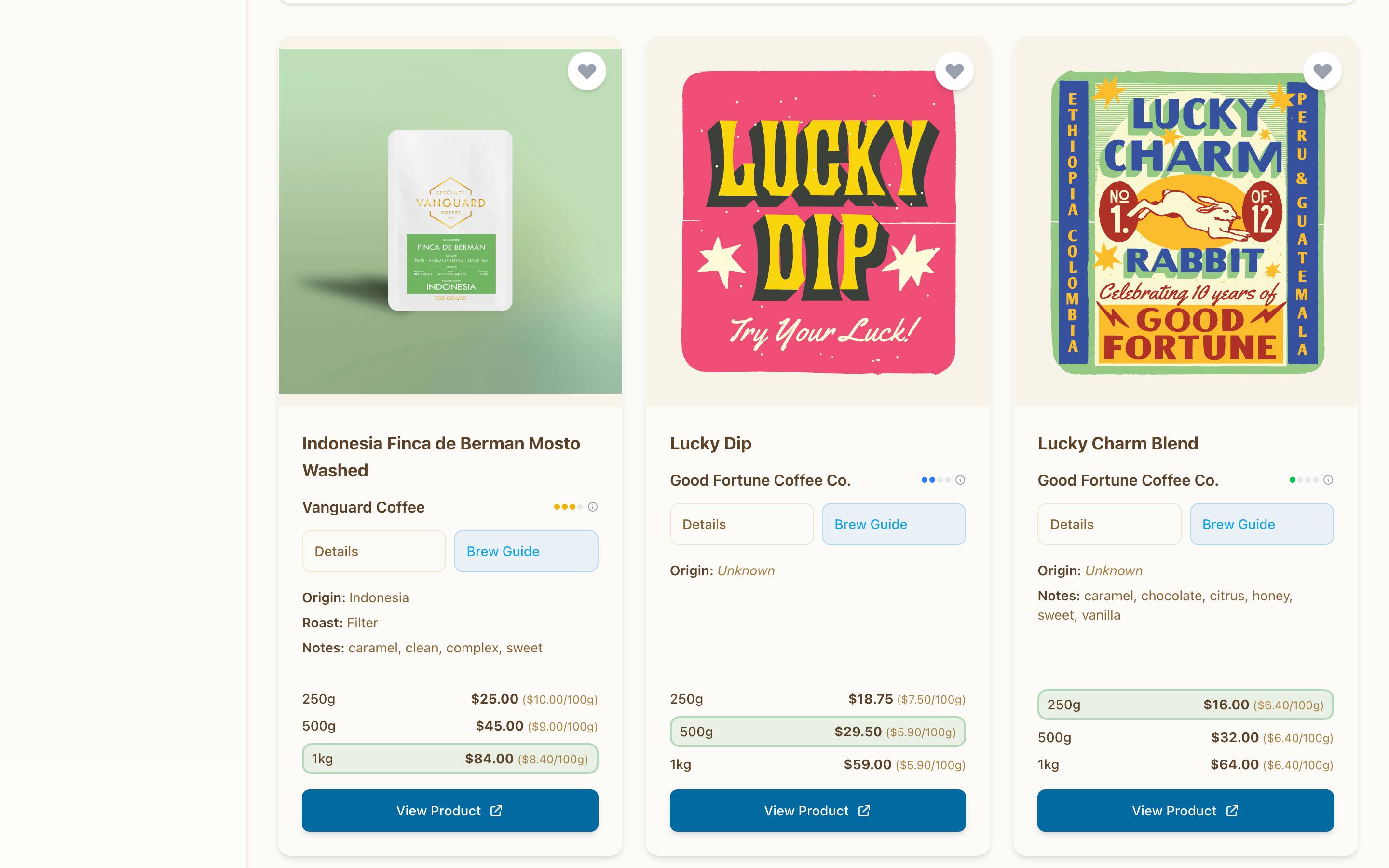
Compare coffees with detailed information on origin, roast level, and pricing
Buying coffee can be overwhelming with countless options available. Whether you're a beginner or a seasoned coffee enthusiast, this comprehensive guide will help you make informed decisions, understand pricing structures, identify quality indicators, and ensure you get the best value for your money when purchasing specialty coffee in Australia and New Zealand.
From understanding roast dates and reading coffee labels to comparing prices across roasters and choosing between subscriptions and one-time purchases, we'll cover everything you need to know to become a savvy coffee buyer. Learn how to spot fresh beans, avoid common purchasing mistakes, and store your coffee properly to maintain peak flavor for weeks.
This guide is specifically tailored for coffee lovers in Australia and New Zealand, featuring local roasters, regional pricing insights, and practical tips for buying coffee both online and from local specialty shops. By the end, you'll have the knowledge to confidently select coffees that match your taste preferences and budget.
Understanding Coffee Labels: What to Look For
Coffee packaging contains valuable information that can make the difference between an exceptional cup and a disappointing one. Knowing what to look for helps you make better purchasing decisions and avoid common pitfalls that trap inexperienced buyers.
When examining coffee labels, focus on transparency. Quality roasters proudly display detailed information about their beans, while vague or missing details often indicate lower-quality commercial coffee. Understanding these label elements will help you identify specialty-grade coffee worth your investment.
Key Information to Look For
Roast Date
Always look for a roast date, not just a "best by" date. Coffee is best consumed 1-4 weeks after roasting. Ourfreshness guideexplains why this matters.
Origin Information
Quality coffee should specify the country, region, and often the farm or cooperative. Vague labels like "100% Arabica" without origin details often indicate lower quality.
Processing Method
Washed, natural, honey—these terms describe how the coffee was processed and significantly impact flavor. Learn more in oursingle origin guide.
Certifications
Organic, Fair Trade, Rainforest Alliance, and Direct Trade indicate different ethical and environmental standards.Learn what each means →
Roast Level
Light, medium, or dark roast significantly impacts flavor. Light roasts preserve origin characteristics, while dark roasts develop bolder, caramelized notes. Learn more in ourroast level comparison.
Variety Information
Look for coffee varieties like Bourbon, Typica, Geisha, or Caturra. Different varieties offer distinct flavor profiles, and knowing the varietal helps you discover preferences and compare similar coffees.
Coffee Freshness Guide: Maximizing Flavor
Freshness is the single most important factor in coffee quality after the beans themselves. Even the highest-quality specialty coffee will taste flat and lifeless if it's past its prime. Understanding the freshness timeline helps you buy at the optimal time and enjoy coffee at its peak flavor.
Coffee is a perishable product that begins deteriorating immediately after roasting. While it won't spoil like milk, the vibrant flavors and aromatic compounds that make specialty coffee special fade quickly. Learning to identify fresh coffee and manage your purchasing schedule ensures every cup delivers the experience you're paying for.
The Freshness Timeline
- Days 1-3: Degassing period. Too fresh for optimal brewing.
- Days 4-14: Peak freshness. Optimal flavor window.
- Days 15-30: Good quality. Flavor begins to fade.
- 30+ days: Stale. Significant flavor loss.
Signs of Fresh Coffee
- Clear roast date on packaging
- Blooming when brewing (CO2 release)
- Aromatic when opening the bag
- Oily sheen on dark roasts
- Vacuum-sealed or valve-sealed bags
Proper Coffee Storage Methods
Proper storage preserves freshness and extends the life of your coffee beans significantly. The four enemies of coffee are air (oxygen), moisture, heat, and light. Effective storage minimizes exposure to all four, keeping your beans vibrant and flavorful for weeks after roasting.
Many coffee lovers unknowingly compromise their beans through poor storage habits. Storing coffee in the refrigerator, leaving bags open, or placing containers near heat sources are common mistakes that accelerate flavor loss. Implementing proper storage techniques is one of the easiest ways to improve your daily coffee experience without changing your brewing method or equipment.
Storage Best Practices
Do
- • Store in airtight container
- • Keep in cool, dark place
- • Buy whole beans, grind as needed
- • Use within 2-4 weeks of roasting
Don't
- • Store in refrigerator (condensation)
- • Keep near heat sources
- • Buy pre-ground for long-term storage
- • Leave in open or transparent bags
Understanding Coffee Pricing & Value
Coffee prices vary widely based on origin, quality, processing method, and brand positioning. Understanding what drives cost helps you find the best value and avoid overpaying for marketing hype while recognizing when higher prices genuinely reflect superior quality.
In Australia and New Zealand, specialty coffee typically ranges from $15-40 per 250g, with significant variation between roasters. Factors like direct trade relationships, micro-lot exclusivity, and processing complexity all contribute to pricing. Our detailed price comparison tools help you identify the best deals across dozens of local and international roasters.
What Affects Coffee Price?
Origin & Rarity
Exclusive micro-lots and rare varieties (like Geisha) command premium prices. Ethiopian Yirgacheffe and Kenyan AA are typically more expensive than Brazilian Santos.
Processing Method
Natural and honey processing requires more labor and monitoring than washed processing, often resulting in higher prices.
Altitude
Higher altitude coffees (grown above 1,500m) develop more complex flavors but yield less per hectare, increasing cost.
Certifications
Organic, Fair Trade, and Rainforest Alliance certifications add costs but ensure ethical and environmental standards.
Price Ranges (per 250g)
💰 Save 10–30% by Buying in Bulk
Many NZ and Australian specialty roasters charge significantly less per gram for 1kg bags compared to 250g bags. Our bulk savings analysis tracks these price differences across dozens of roasters so you can find the biggest discount in seconds.
Coffee Subscriptions vs. One-Time Purchases
Subscriptions offer convenience and discovery, but are they right for you? Here's how to decide.
Subscription Benefits
- Fresh coffee delivered on schedule
- Discover new roasters and origins
- Often includes free shipping
- Access to subscriber-only coffees
One-Time Purchase Benefits
- Complete control over selection
- Shop sales and special offers
- Buy from multiple roasters
- No commitment or cancellation needed
Where to Buy Quality Coffee
Local Roasters
Buying directly from local roasters ensures maximum freshness and supports your community. Many offer same-day or next-day delivery.
Find Local Roasters →Online Specialty Retailers
Online shops offer the widest selection of origins and roasters, often with detailed tasting notes and brewing recommendations.
Direct Trade
Some roasters work directly with farmers, offering transparency and often paying above fair trade prices. Look for farm names and stories on packaging.
Find Your Perfect Coffee
Browse our complete collection of specialty coffees from top roasters. Compare prices, origins, and flavor profiles all in one place.
Browse Coffee CollectionAI Brewing Guide